
The global fashion industry is evolving faster than ever, driven by changing consumer behavior, digital influence, and sustainability demands. As we step into 2026, streetwear and casual apparel continue to dominate the market, blending comfort, individuality, and cultural expression.
In this article, we explore the key fashion trends that are shaping the future—and how brands and retailers can stay ahead of the curve.
1. Minimalist Streetwear with a Premium Touch
Consumers are moving away from overly loud designs and shifting toward clean, minimal aesthetics. Simple logos, neutral tones, and high-quality fabrics are becoming the new standard.
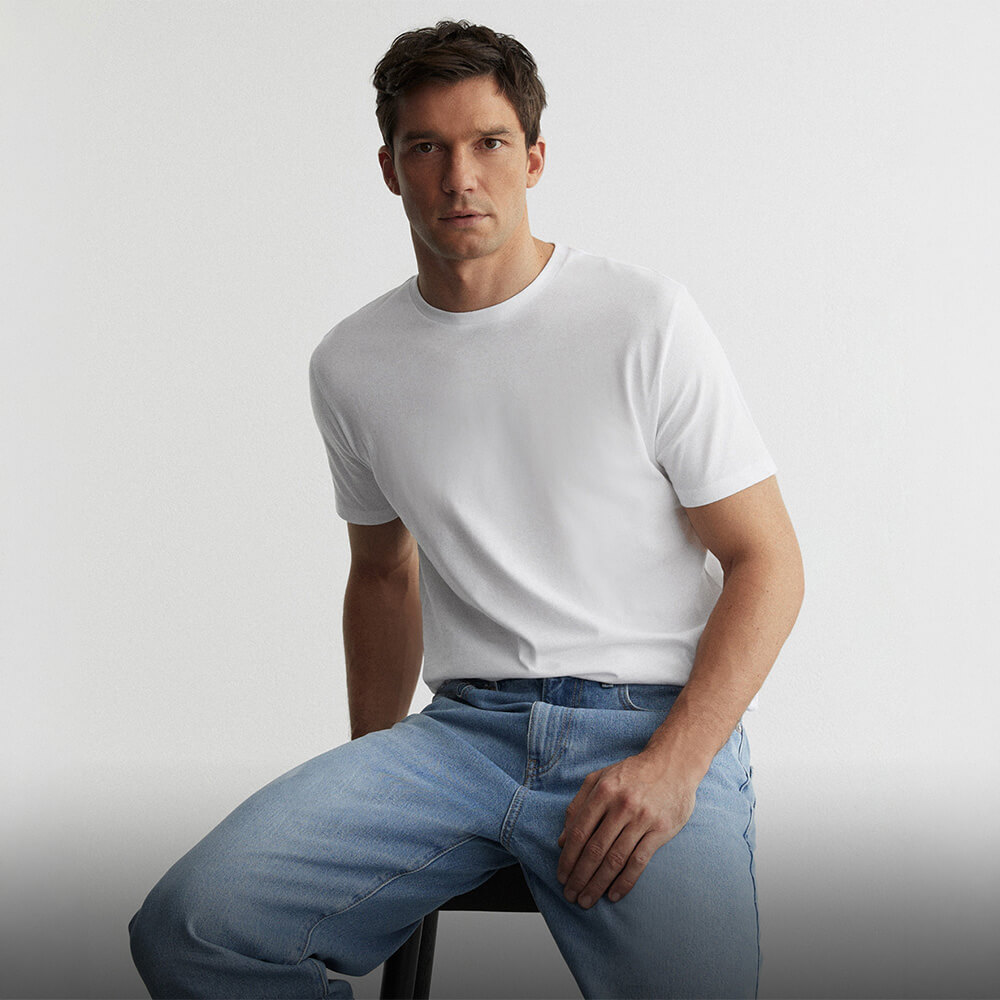
Premium basics such as heavyweight T-shirts, structured hoodies, and refined polo shirts are now essential items for modern wardrobes. The focus is on quality over quantity, with buyers willing to pay more for better durability and fit.
2. Oversized & Relaxed Silhouettes Continue to Rise
Oversized fits are no longer just a trend—they are becoming a staple in global fashion. From drop-shoulder hoodies to loose-fit T-shirts and wide-leg sportswear, comfort remains a key driver.
This trend is particularly strong in markets like North America and Europe, where consumers prioritize both style and ease of movement.
3. Sustainability is No Longer Optional
Eco-conscious fashion is rapidly becoming a requirement rather than a niche. Buyers and brands are actively seeking:
- Recycled or sustainable fabrics
- Reduced material usage
- Long-lasting product quality
Innovations such as ultra-thin yet durable fabrics and energy-efficient production methods are gaining attention. Manufacturers that adopt sustainable practices are more likely to win long-term partnerships.
4. Customization & Small-Batch Production
With the rise of independent brands and e-commerce, customization is a major trend. Businesses are increasingly looking for:
- Low MOQ production
- Private label services
- Fast sampling and turnaround
OEM/ODM flexibility has become a key factor for brands trying to test new designs quickly and respond to market trends.
5. Athleisure & Cross-Functional Apparel
The line between sportswear and casual wear continues to blur. Athleisure remains a dominant category, combining performance fabrics with everyday style.
Products like breathable T-shirts, stretchable hoodies, and lightweight sports sets are highly востребованы across global markets.
6. Digital-Driven Fashion Consumption
Social media platforms like TikTok and Instagram are shaping trends in real time. Viral styles can quickly turn into high-demand products, pushing brands to shorten production cycles.
Fast response capability and flexible manufacturing are now critical to capturing these opportunities.
Conclusion: Stay Competitive in a Fast-Changing Market
The future of fashion lies in speed, quality, and adaptability. Brands that can combine trend awareness with reliable production will stand out in an increasingly competitive landscape.
For apparel businesses, partnering with experienced manufacturers who understand global trends, offer flexible customization, and ensure consistent quality is the key to long-term success.